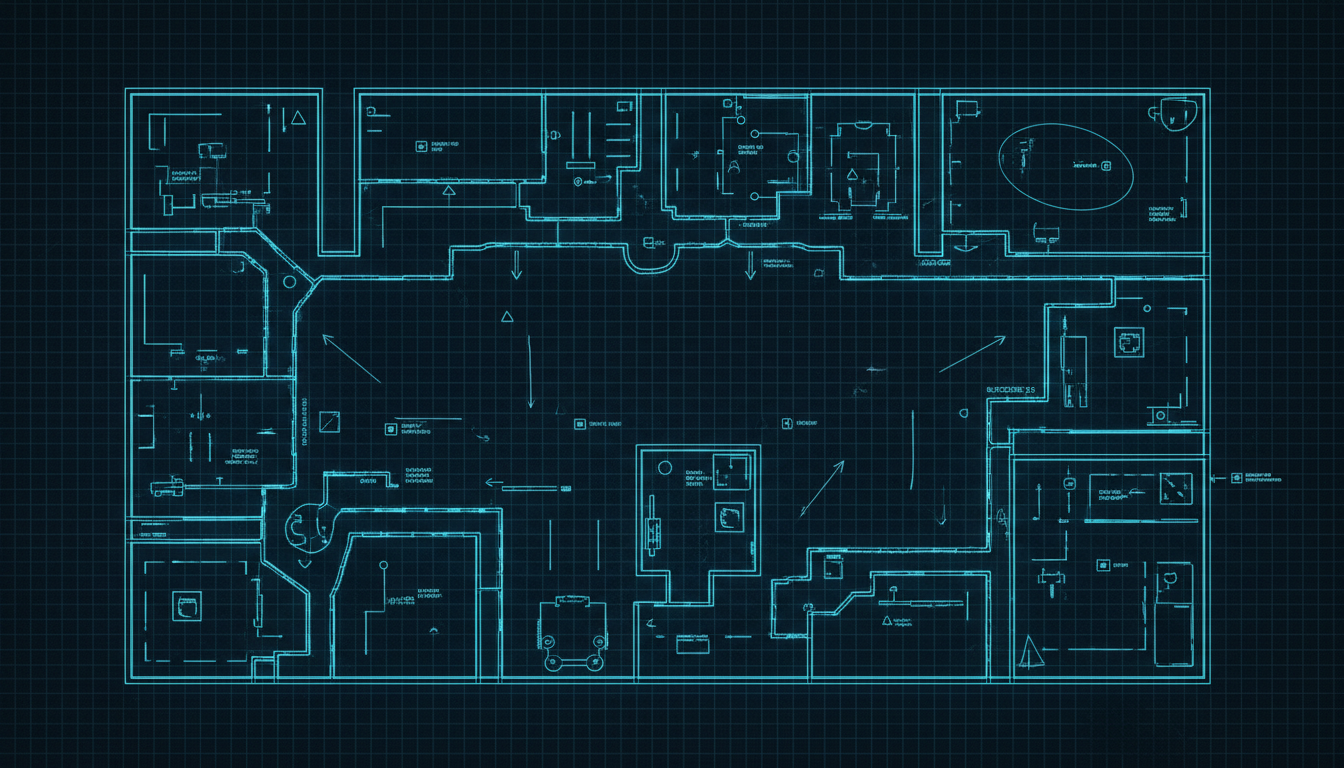
Spatial Storytelling & Gameplay Architecture
Over a decade of designing gameplay spaces, combat encounters, traversal systems, and narrative environments across AAA, mobile, VR, and independent games.
// DESIGN PHILOSOPHY
Great level design is invisible. Players should feel guided by intuition, not signage. Every space I build starts with player intent — what does the player want to do, and how does the environment support that desire while surprising them along the way? I focus on clarity, emotional pacing, and spatial composition to create environments that are both functional and unforgettable.
Design Disciplines
Combat & Encounter Design
Designing combat arenas, enemy encounters, and engagement pacing that challenge and excite players. From Fortnite environments to Godzilla kaiju combat arenas, every encounter space is engineered for readability, flow, and escalation.
Exploration & Traversal
Crafting traversal systems and exploration spaces that reward curiosity and guide players intuitively through environments. Leading lines, landmark placement, and vista points drive player navigation without heavy-handed direction.
Narrative & Environmental Storytelling
Building spaces that tell stories through architecture, lighting, prop placement, and spatial composition. Life is Strange: Double Exposure exemplifies environments where every detail reinforces the narrative.
Puzzle & Interaction Design
Designing puzzles and interactive systems that integrate organically into gameplay spaces. From Temple Run procedural generation to VR spatial puzzles in Justice League, interaction is always purposeful.
Player Flow & Pacing
Engineering the rhythm of gameplay through intentional pacing, beat structure, and spatial progression. Understanding when to push intensity and when to create breathing room is the foundation of great level design.
World Layout & Composition
Defining macro-level world structure, zone planning, and spatial hierarchy. From open-world zones to linear narrative corridors, every layout serves both gameplay needs and production reality.